Modern Seamless Plaid Patterns: A Practical Guide to Choosing the Right Design for Your Project
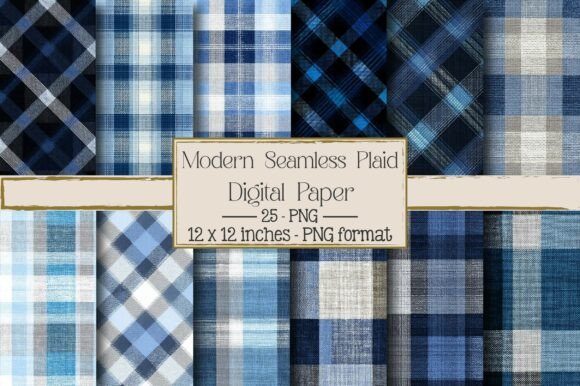
Plaid patterns have long been a staple in design and fashion, offering a nostalgic yet versatile aesthetic. In recent years, however, there has been a shift toward more contemporary interpretations of this classic motif. Modern seamless plaid patterns represent this evolution, blending traditional plaid elements with clean lines, minimalist color palettes, and digital adaptability. Whether you're designing merchandise, creating artwork, or working on a personal project, understanding what makes these patterns unique can help you make better choices when selecting resources like the Modern Seamless Plaid Patterns – 25 Designs PNG Files that offer high-resolution files with transparent backgrounds.
What Are Modern Seamless Plaid Patterns?
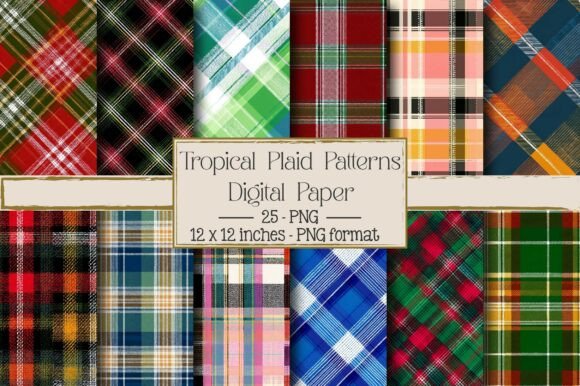
At their core, modern seamless plaid patterns are variations of the traditional plaid style optimized for digital use. Unlike older plaid designs that often featured bold, thick lines and limited color schemes, modern versions incorporate subtlety and refinement. They are typically created using vector-based tools and designed with a seamless tile format, which means they can be repeated infinitely without visible seams or distortion. This feature is especially valuable for print-on-demand projects where consistent tiling across large surfaces is necessary.
These patterns also tend to use distressed effects and solid colors to give them a weathered, vintage-inspired look while maintaining clarity and professionalism. The result is a design that feels both fresh and timeless, suitable for a wide range of applications from clothing to home decor.
Key Features of Modern Seamless Plaid Patterns
- Seamless Tiling: Ensures no visible breaks when repeating the pattern across larger formats.
- High-Resolution PNG Files: Typically delivered at 300 dpi and sized at 12×12 inches, ideal for professional printing.
- Transparent Backgrounds: Allow for easy integration into other designs or customization for specific products.
- Distressed Effects: Add character and depth without compromising the overall simplicity of the pattern.
- Easy to Resize: Compatibility with most graphic software ensures flexibility in scaling for different uses.
Comparing Modern Seamless Plaid Patterns to Other Design Options
When evaluating design options, it's important to consider how modern seamless plaid patterns stack up against alternatives such as geometric prints, abstract textures, or classic tartan styles. Each of these has its own strengths and limitations depending on the context in which they’re used.
For instance, geometric patterns often provide a more structured and futuristic look, making them a good choice for tech-related branding or modern interiors. However, they may lack the warmth and familiarity associated with plaid. Abstract textures, on the other hand, offer uniqueness and artistic flair but might not translate well to smaller printed items like stickers or cards due to their complexity.
Traditional tartan or wool plaid patterns are deeply rooted in cultural heritage and can carry symbolic meanings depending on the color combinations. While they are rich in history and detail, they may not always be practical for digital editing or seamless application in product design. Modern seamless plaid patterns bridge the gap between tradition and innovation by simplifying the design language while preserving the essence of plaid.
Strengths and Tradeoffs
One of the main advantages of modern seamless plaid patterns is their adaptability. They work well in both digital and physical formats and can be easily modified using design software. The transparent background feature is particularly beneficial for creators who need to overlay the pattern onto different textures or images without worrying about unwanted borders or colors.
Another strength lies in the variety of uses. These patterns are ideal for:
- Printing on T-shirts, hoodies, or other apparel
- Creating stickers or vinyl decals
- Designing greeting cards, invitations, or packaging
- Producing frame artwork or canvas prints
- Enhancing scrapbooks or journal pages
- Decorating walls or adding visual interest to home accessories
However, there are tradeoffs. Because these are digital downloads (not physical goods), users must ensure they have the appropriate tools and knowledge to edit and apply the designs. Additionally, while the files are high-resolution and suitable for most printers, the final output can vary slightly based on the device or printer used, as noted in many product descriptions including the one for Modern Seamless Plaid Patterns.
Best-Fit Situations for Modern Seamless Plaid Patterns
Modern seamless plaid patterns are best suited for creative professionals and hobbyists looking for a blend of simplicity and style. If you're working on a project that requires a subtle yet recognizable pattern, such as:
- Custom phone cases
- Fashionable tote bags
- Wall art with a rustic or farmhouse feel
- Printable gift wrap or tags
- Background textures for digital art or web design
Their distressed effect adds a layer of authenticity and charm, making them especially popular in themes like country chic, retro aesthetics, and even Scandinavian minimalism with a twist. The solid color approach ensures they remain visually clean and don’t overwhelm the viewer, which is crucial for readability and brand consistency.
Limitations and Considerations
While modern seamless plaid patterns are highly versatile, they aren't universally applicable. For example, if your project demands intricate details or a very high contrast, a plaid pattern may not deliver the desired impact. Similarly, in contexts where a bold, attention-grabbing design is needed—such as neon signage or dynamic event banners—other styles may prove more effective.
It’s also worth noting that because these patterns are digital-only, they require access to design software for resizing or customizing. Beginners may find this process challenging at first, though many tools today offer user-friendly interfaces. Always verify whether the chosen file set includes tutorials or guidance for those less familiar with digital design workflows.
How to Choose Between Different Pattern Sets
When choosing a pattern set like Modern Seamless Plaid Patterns – 25 Designs PNG Files, several factors should influence your decision:
- Use Case: Determine the primary purpose of the pattern. Is it for fabric printing, paper crafts, or digital overlays? Some sets may specialize in certain applications.
- Color Variety: Evaluate the color options provided. Solid color designs allow for easier customization but may require additional effort to match brand palettes.
- Resolution and Format: Confirm that the resolution (300 dpi) and size (12×12 inches) meet your printing requirements. High-quality files are essential for professional results.
- Software Compatibility: Ensure the PNG files are compatible with your preferred editing tools, whether Adobe Photoshop, Canva, or another platform.
- Design Style: Assess whether the distressed effect and overall aesthetic align with your creative vision. Some users prefer ultra-clean lines, while others appreciate the added texture.
Additionally, compare the number of included designs. With 25 unique options, this particular set offers a broad palette for experimentation, reducing the need to source multiple pattern packs separately. It's a practical choice for those planning to create a diverse range of products under a cohesive theme.
Alternatives to Consider
If modern seamless plaid patterns don’t fully suit your needs, explore alternative design types:
- Classic Tartan Patterns: Offer historical accuracy and richer color blends, but may not be seamless or editable in some cases.
- Abstract Textures: Provide uniqueness and artistic value, though they may require more design skill to integrate effectively.
- Geometric Grids: Ideal for contemporary looks, but may lack the warmth and organic feel of plaid.
- Digital Brush Strokes: Great for simulating hand-drawn effects, but not always suitable for repeatable tiling.
Each of these alternatives brings something different to the table. The right choice depends on your project goals, target audience, and the technical aspects of your workflow. For those who appreciate the plaid aesthetic but want a modern twist, the Modern Seamless Plaid Patterns set is a strong contender.
Realistic Examples and Use Cases
To illustrate how modern seamless plaid patterns can be applied practically, consider the following examples:
- Apparel Printing: A boutique selling custom tees might use these patterns to create seasonal collections with a rustic vibe, such as autumn-themed shirts.
- Home Decor: An interior designer could incorporate the patterns into wall stencils or canvas prints for clients seeking a cozy, lived-in atmosphere.
- Stationery and Cards: A stationery brand might utilize the distressed plaid effect to craft handmade-style greeting cards or wedding invitations.
- Product Packaging: These patterns can serve as attractive labels or wrapping for artisanal food products or small gifts.
In each case, the ability to resize and reapply the patterns seamlessly is a major advantage. Users can experiment with scale, orientation, and layering to achieve the exact look they envision without compromising quality.
Final Thoughts on Selection and Application
Choosing the right design resource involves more than just picking a visually appealing pattern. It requires evaluating how well the design meets your functional needs, fits your brand identity, and integrates with your tools and processes. Modern seamless plaid patterns offer a compelling combination of style and usability, particularly when you’re working with the 25 Designs PNG Files format described here.
Remember to take into account the limitations, such as device-specific color variation and the need for design software. But if you're looking for a flexible, aesthetically pleasing option that works across various mediums and maintains a high level of quality, modern seamless plaid patterns are definitely worth considering.