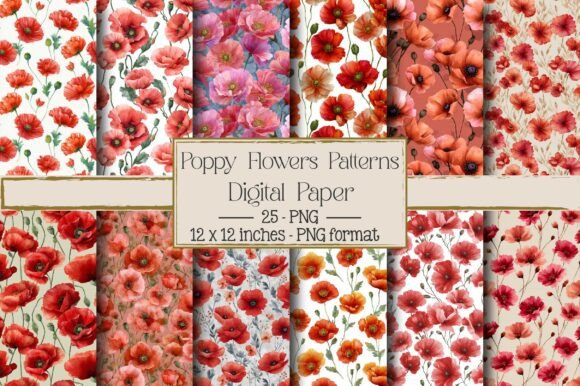
Poppy Watercolor Flowers Patterns – Creative Design Asset
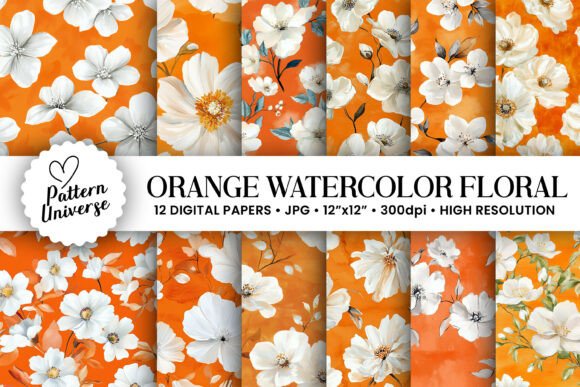
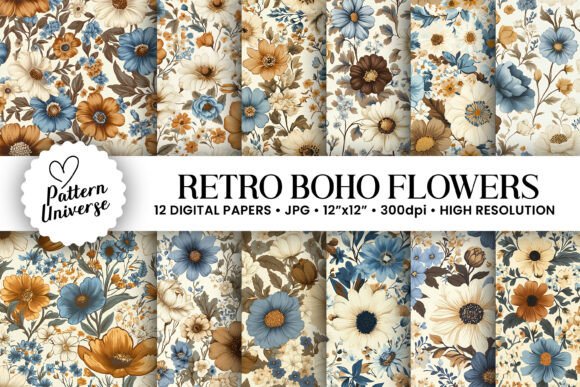
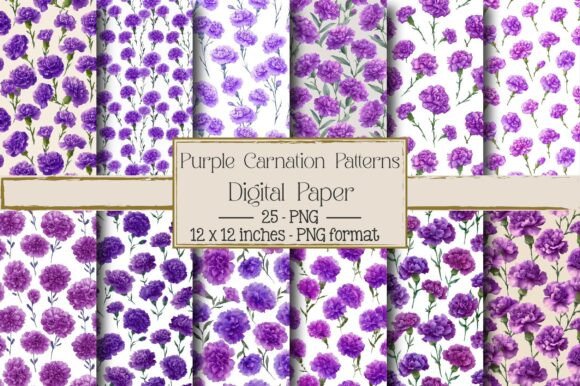
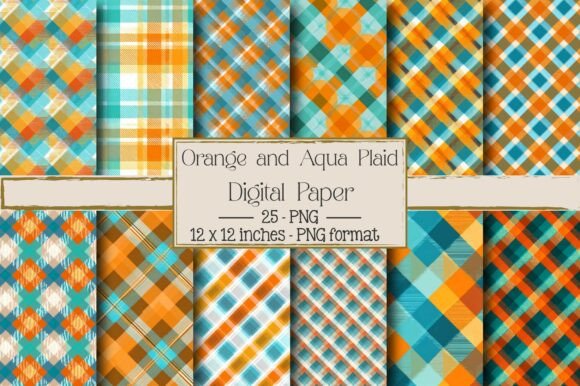
Poppy Watercolor Flowers Patterns is a versatile and visually appealing design asset that brings the soft, natural charm of watercolor art into your creative projects. This collection features 25 unique PNG files, each showcasing distressed poppy flower motifs with solid color backgrounds. The patterns are crafted at a high resolution of 300 dpi on a 12×12 inch canvas, ensuring clarity and detail whether you're printing or using them digitally. With transparent backgrounds and an easy-to-resize format, these designs offer flexibility for both personal and commercial use.
Why Choose Poppy Watercolor Flowers Patterns?
These patterns are ideal for anyone looking to infuse their work with organic elegance. From small business owners designing product packaging to bloggers creating social media content, Poppy Watercolor Flowers Patterns can enhance visual storytelling. The distressed effect adds a tactile, hand-painted quality that stands out in a sea of digital perfection. It’s perfect for those who want their designs to feel authentic and artisanal without sacrificing professionalism.
Visual Characteristics and Style
The poppy flowers in this pattern set are rendered with soft edges and gentle textures, mimicking the look of real watercolor brushstrokes. Each design has a slightly worn appearance, making it suitable for vintage-inspired layouts or modern-day minimalism. The use of solid colors ensures consistency while still allowing the distressed details to shine through. This blend of simplicity and character makes the collection stand out as a premium font alternative in the world of graphic design assets.
As a creative font substitute, these patterns provide a decorative yet legible aesthetic that works well in logo design, editorial illustrations, and even web headers. They have a handwritten font vibe but maintain enough structure to be used effectively across various platforms. The overall style leans towards romantic and whimsical, making it a great fit for lifestyle brands, boutique businesses, and artistic publications.
Applications Across Industries
- Branding: Use these patterns to create cohesive brand identities with subtle floral accents. Incorporate them into stationery, labels, and packaging for a refined touch.
- Marketing: Enhance promotional materials like brochures, flyers, and email templates with these elegant visuals. The distressed look adds warmth to cold communication channels.
- Web Design: Add background textures or overlay elements to websites and landing pages for a soft, inviting atmosphere. The transparency allows for seamless integration with any color scheme.
- Social Media Graphics: Whether you’re designing Instagram posts, Pinterest pins, or Facebook banners, these patterns help craft eye-catching visuals that align with seasonal or thematic content.
- Crafting and Print Projects: These files are excellent for stickers, greeting cards, scrapbooks, and wall art. Their high-resolution format ensures crisp prints every time.
Design Impact and Brand Perception
Choosing the right design assets is crucial when shaping how your audience perceives your brand. Poppy Watercolor Flowers Patterns introduces a sense of craftsmanship and thoughtfulness into your work. Unlike generic stock images, these patterns allow you to maintain a consistent visual language that supports your brand identity.
When applied correctly, they can improve visual hierarchy by drawing attention to key areas without overwhelming the layout. For example, placing a floral accent next to a call-to-action button can guide users more intuitively. In print, the patterns contribute to a polished and professional look, especially when paired with clean typography.
From a psychological standpoint, floral patterns often evoke feelings of creativity, growth, and approachability. If your brand aims to connect with a warm, artistic, or eco-conscious audience, these patterns can reinforce that message subtly but powerfully.
How to Use Poppy Watercolor Flowers Patterns Effectively
To get the most out of this design asset, consider its role within your project. Are you using it as a background texture, a border element, or part of a larger illustration? Here are some practical tips to help you integrate it seamlessly:
- Evaluate Project Fit: Determine if the floral theme complements your existing visual elements. These patterns may not suit industrial or tech-focused branding, but they thrive in lifestyle, wellness, and fashion contexts.
- Test Font Pairings: Since these are often used alongside text, pair them with serif fonts for a classic look or sans serif fonts for a more contemporary feel. Avoid pairing with overly ornate script fonts unless you're going for maximalist aesthetics.
- Review Included Styles: With 25 different designs, there's a wide range of options to explore. Some may be more delicate, others bolder — choose based on the mood and scale of your project.
- Consider Readability: When layering over text or using as a background, ensure contrast is sufficient so content remains legible. Test different opacity levels or placement strategies before finalizing your design.
- Understand Commercial Licensing: Always review the licensing terms to confirm whether the asset is appropriate for your intended use. Many digital downloads are limited to personal or specific commercial applications, and it’s important to stay compliant.
Real-World Examples and Recommendations
Let’s take a look at how these patterns can be used in real-world scenarios. A boutique clothing brand might incorporate a Poppy Watercolor Flowers Pattern into a T-shirt design, blending it with minimalist typography to highlight a new line. Similarly, a coffee shop could use one of the distressed patterns on branded mugs or packaging, reinforcing a cozy, artisanal vibe.
In editorial design, these patterns can serve as dividers between sections or as decorative flourishes around headlines. For digital marketing, they make great overlays for hero images or thumbnails, adding depth and interest without distracting from the main message.
If you're a hobbyist or small business owner working with design software like Canva, Adobe Illustrator, or Photoshop, the transparency and resolution of these PNGs make them easy to manipulate. You can scale them up for large prints or down for smaller items like buttons and tags. Just remember that while the patterns look stunning on screen, actual print results may vary due to device and printer differences.
Creating Cohesion in Your Work
Consistency is key in any design system. Poppy Watercolor Flowers Patterns can act as a unifying element across multiple touchpoints. For instance, if you're launching a new line of handmade journals, applying the same floral pattern to the cover, spine, and inside page markers will create a strong, recognizable brand experience.
Another recommendation is to build a design library using these patterns. Store variations in different sizes and placements so they’re ready to use whenever inspiration strikes. This strategy saves time and keeps your creative output aligned with your brand’s visual standards.
Final Thoughts on Creative Value
Poppy Watercolor Flowers Patterns isn’t just another design asset — it’s a tool that helps you tell stories, evoke emotions, and stand out in a competitive market. Its adaptability and aesthetic appeal make it a valuable addition to your creative toolkit, whether you're crafting a personal blog post or developing a full-fledged brand identity.
By incorporating these patterns thoughtfully, you can elevate your projects with a touch of elegance and authenticity. The distressed watercolor effect gives your work a human feel, which is increasingly rare in our fast-paced digital world. That’s why designers and entrepreneurs alike find themselves returning to such assets again and again.
Remember, this is a digital instant download, so you’ll gain access to all 25 designs immediately after purchase. There’s no waiting for physical products, no shipping costs — just pure creative value at your fingertips. Make sure to test them across devices and print samples to see how they perform under different conditions.