Classic Pastel Green Patterns: A Guide to Choosing and Using Them Effectively
Classic pastel green patterns are a timeless design choice that brings a soft, calming aesthetic to any project. Whether you're an entrepreneur designing product packaging, a blogger crafting eye-catching graphics, or a hobbyist working on a handmade scrapbook, these gentle greens can add a touch of elegance and sophistication. With their subtle hues and versatile appeal, pastel green patterns are especially popular in spring and summer themes, but they also work well year-round for minimalist or vintage-inspired designs.
Why Choose Classic Pastel Green Patterns?
Pastel green is more than just a color—it’s a mood. Its muted tone evokes feelings of tranquility, growth, and freshness, making it ideal for branding, home decor, fashion, and creative projects. When incorporated into patterns, it offers a delicate balance between vibrancy and subtlety, allowing the design to stand out without overwhelming the viewer.
These patterns are particularly appealing because they:
- Complement a wide range of colors and textures
- Fit seamlessly into both modern and traditional aesthetics
- Offer a fresh alternative to bold, saturated colors
- Are perfect for creating cohesive visual identities across different mediums
Common Mistakes When Selecting Pastel Green Patterns
While pastel green patterns are visually pleasing, there are some common pitfalls to avoid when choosing them for your projects. One of the biggest mistakes is assuming all pastel green patterns look the same once printed. In reality, factors like resolution, background transparency, and software compatibility can significantly affect how the pattern appears and functions in real-world applications.
Another oversight is not considering the context of the final product. For example, using a complex pattern on a small sticker might make the design appear cluttered, while a simple geometric pattern could get lost on a large wall decal. It's important to match the intricacy of the pattern to the scale and purpose of the item you’re printing on.
What to Look for Before Downloading or Buying
Before purchasing or downloading a set of Classic Pastel Green Patterns, ensure you understand what you're getting and how it aligns with your needs. Here are a few key things to consider:
- Resolution and Dimensions: High-quality prints require high-resolution images. A file with 300 dpi at 12×12 inches is excellent for most physical products, ensuring sharp edges and clear details even after resizing.
- Transparent Background: A transparent background gives you the freedom to place the pattern over any image or color, making it highly adaptable for layered designs, mockups, or custom overlays.
- File Format (JPEG): JPEG files are widely supported and easy to use in most design software. However, be aware that they don’t support transparency natively. If you need a transparent background, ensure the file has been properly masked or saved as a layered file elsewhere.
- Software Compatibility: Not all design tools handle patterns the same way. Make sure the patterns you choose can be easily resized and manipulated in your preferred software—like Adobe Photoshop, Illustrator, or even free tools such as Canva or GIMP.
Understanding Device and Printer Color Variations
One often-overlooked detail is that colors may appear differently depending on the device or printer used. This means that the pastel green you see on your screen might look slightly lighter or darker when printed. While this doesn't always detract from the overall effect, it can impact brand consistency if you're relying on specific shades.
To mitigate this issue, test prints are recommended before mass production. You can also provide clients or customers with a note about potential variations, as many digital marketplaces do. Transparency about limitations builds trust and sets realistic expectations.
How to Use Classic Pastel Green Patterns Successfully
When applying these patterns, keep the following tips in mind to maximize their effectiveness:
- Balance complexity with simplicity: If the pattern is detailed, pair it with minimal text or imagery to prevent overcrowding. On the other hand, simpler patterns can serve as a base for more intricate compositions.
- Consider contrast: Since pastel green is light, ensure there's enough contrast between the pattern and any text or elements placed over it. Darker fonts or solid accents can help maintain readability.
- Use them as accents: Rather than covering an entire surface, apply pastel green patterns selectively to frames, borders, or decorative elements. This creates visual interest without overwhelming the design.
Realistic Examples of Usage
Let’s explore a few scenarios where Classic Pastel Green Patterns can shine:
Scenario 1: T-Shirt Printing
If you're designing a t-shirt line for a boutique, a distressed pastel green pattern could give your apparel a vintage feel. However, if the pattern is too busy, it might distract from the main graphic or logo. A better approach is to use the pattern as a background texture behind a bold, centered design.
Scenario 2: Scrapbooking
In scrapbooking, these patterns can be used to create subtle card backgrounds or page dividers. But beginners sometimes forget to account for ink bleed or paper texture when printing. To avoid this, test the pattern on a sample page first and adjust opacity or layering as needed.
Scenario 3: Digital Marketing Materials
Marketers may use pastel green patterns for social media templates or email headers to evoke a sense of calm and professionalism. However, using the wrong file format or low-resolution image can result in blurry visuals. Always confirm the pattern’s dimensions and quality before incorporating it into your campaign assets.
Best Practices for Designers and Creators
To make the most of Classic Pastel Green Patterns, follow these practical guidelines:
- Always preview the pattern at actual size: Especially when preparing for print, zooming in can reveal issues with clarity or alignment that aren’t visible at smaller scales.
- Check printer specifications: Some printers struggle with very light or soft tones. Ask about the printer’s color gamut and whether they recommend pre-flashing certain hues for better results.
- Layer wisely: Use blending modes or reduce opacity when combining pastel green patterns with other elements. This helps preserve the softness of the design while enhancing depth.
- Stay organized: Keep your pattern library categorized by style and use case. This saves time and ensures you select the right pattern for each project quickly.
How to Avoid Costly Errors
Using poorly chosen patterns can lead to wasted materials, reprints, or unsatisfactory client feedback. Here’s how to avoid those costly errors:
First, never assume the pattern will look the same across all platforms. Always request a sample swatch or download a trial version to assess its appearance under various conditions. Second, double-check the file’s resolution and dimensions before placing an order. Low-quality downloads won’t produce professional results, no matter how beautiful the design looks online.
Third, be mindful of licensing terms. Some digital downloads are for personal use only, while others allow commercial applications. Ensure the patterns you choose fit your intended usage to avoid legal complications down the line.
Enhancing Your Projects with Distressed Effects
The distressed effect commonly found in these patterns adds character and authenticity. It’s particularly useful for giving digital creations a handcrafted or aged look. However, it’s easy to overdo it. Too much distressing can make the pattern appear messy or unprofessional, especially in clean, modern designs.
A balanced approach is to apply the distressed effect subtly, perhaps to just one or two elements within the pattern. This maintains the softness of the pastel green while adding visual texture without overpowering the composition.
Where to Use These Patterns
Classic Pastel Green Patterns are incredibly versatile and suitable for a variety of uses. Some of the most effective include:
- Wall art and canvas prints
- Stickers and vinyl decals
- Cards and invitations
- T-shirts and promotional wear
- Scrapbook pages and journal covers
- Frame artwork for photos or quotes
Each of these applications benefits from the gentle nature of pastel green. Just be sure to adapt the pattern’s size and density accordingly. For instance, a fine-detailed pattern works well on cards but may become illegible on a larger poster unless appropriately scaled up.
Final Thoughts on Making Smart Choices
Choosing the right Classic Pastel Green Patterns can elevate your projects from ordinary to extraordinary. However, success comes from understanding the nuances of digital design and print application. By avoiding common mistakes and focusing on quality, compatibility, and thoughtful implementation, you’ll be able to use these patterns effectively and professionally.
Remember, the goal isn’t just to have a pretty pattern—it’s to enhance your message, improve usability, and deliver value to your audience. Whether you're a seasoned designer or just starting out, taking the time to evaluate your options will pay off in the long run.
Need Instant Access to Quality Designs?
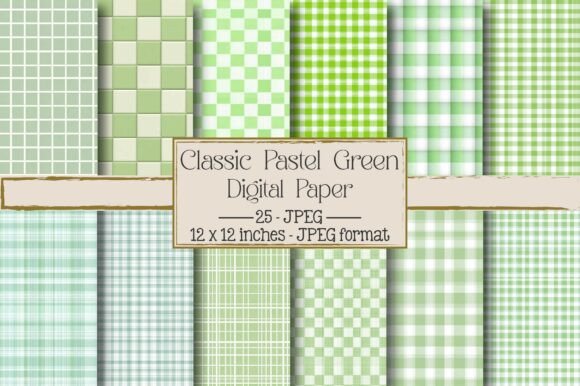
If you're ready to bring your ideas to life, you can find a collection of 25 Classic Pastel Green Pattern designs in JPEG format, complete with a distressed effect, transparent background, and a high-resolution 300 dpi setting. These are perfect for immediate use in your next creative endeavor. Just be sure to review the product description carefully to understand the digital-only delivery method and any color variation notes.